
The University of Exeter in partnership with Carbon Tracker has published a must-read report entitled Recalibrating Climate Risk. It identifies problems with the way climate damages are currently represented in economic analysis which informs business, policy, and investment decisions, that in turn affect all of us.
Here are five highlights from the report:
- Current economic models are missing the real risks
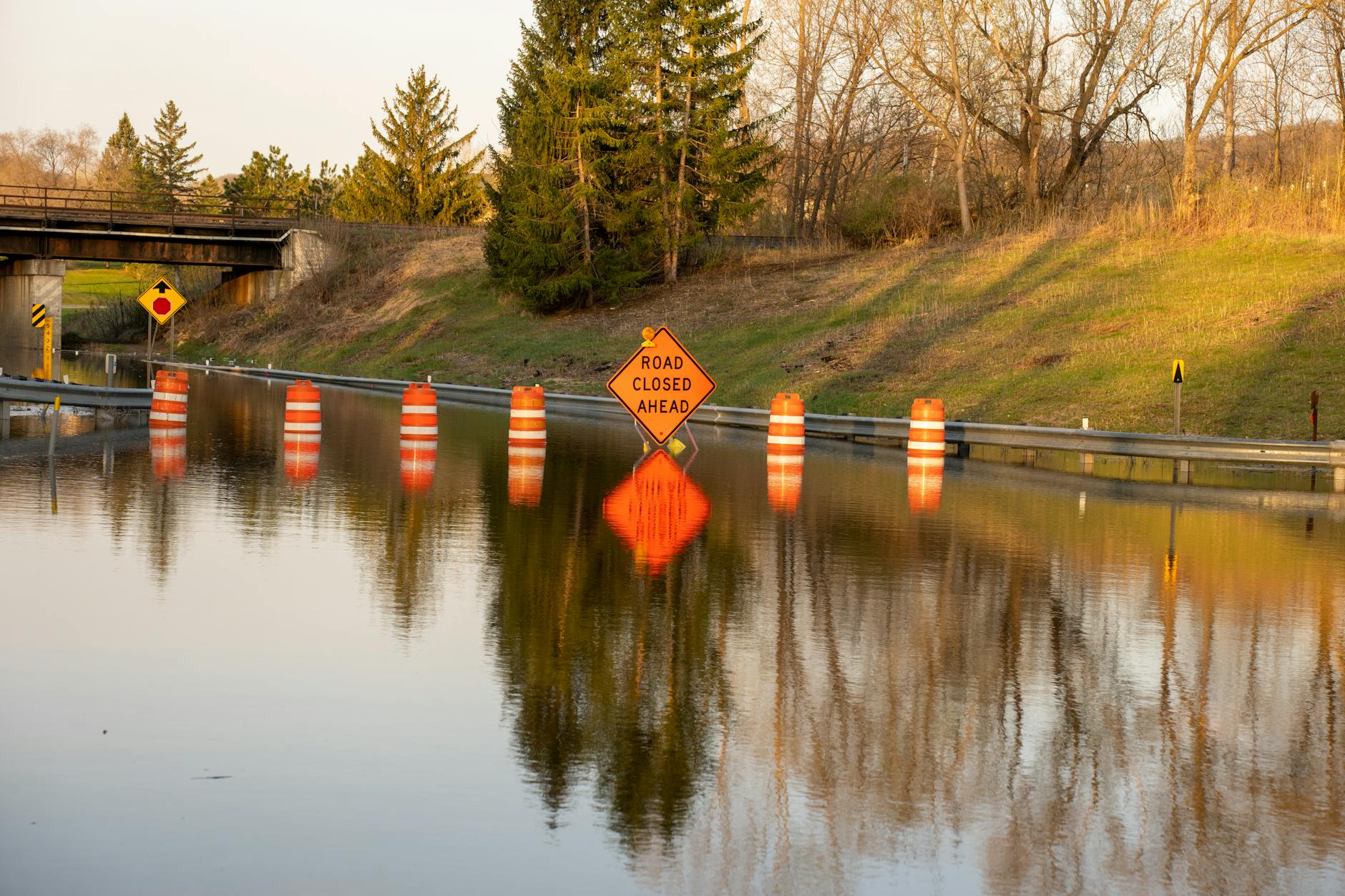
While year by year average global temperature increases may appear moderate (even if they are not), crucially they can generate system-wide shocks. For example, the 2022 Pakistan floods displaced 33 million people, caused $30 billion in damages, and triggered sovereign debt restructuring negotiations (World Bank, 2022) – that’s with the temperature increases we’ve already seen, not future predictions.
The narrow focus on temperature misses critical risk categories including tipping points, ecosystem collapse, and compound extreme events (Rising et al., 2022). To be accurate, risk approaches need to be multi-hazard and systems-based.
2. Financial institutions underprice climate risks
Despite some recent progress, traditionally economic modelling has failed to capture the severity of climate damages and risks (Pretis & Allen, 2023).
The report repeatedly highlights that our over-fixation on GDP misses the impact of climate shocks on physical capital, labour productivity and supply chain integrity. The impact on human health, well-being and dignity is also often not being accounted for.
Ultimately, there appears to be a lack of understanding of the magnitude of climate risk:
“Rather than simply reducing output, climate change is likely to reshape economic structures themselves – altering where people live, what can be produced, how infrastructure functions, and which regions remain economically viable.”
This distinction is critical for policymakers and financial institutions: risks that alter system
structure cannot be assessed using models designed for small, reversible shocks.
3. Extremes, not averages define the future.
The report makes it clear that in terms of climate change, what people actually experience are local extremes, not global averages.
“As warming increases, the distribution of climate outcomes widens, with tail risks becoming increasingly important. From a financial stability perspective, it is these extremes – not median outcomes – that dominate systemic risk.”
4. Climate risks cannot be fully diversified away
Diversification has been seen as an answer to weather many investment risks, but it can become a less effective method when met with global systemic challenges.
Investment practices need to evolve, rather than simply diversify.
5. Recommendations
The report includes contributions from more than sixty climate scientists. It also contains a number of recommendations, including urging economists, and policy and government professionals to:
- Pay greater attention to regional concentration of extreme-events, and correlated shocks.
- Stress-test portfolios against tail-risk scenarios, not just median temperature pathways.
- Move beyond reliance on GDP-linked damage estimates when assessing long-term risk.
You can read the full report here.
 Private Goodness